Skip to content Skip to footer

Women’s Wellness Questions Answered | Hormones, Menopause, Skin, Hair & Intimate Health

Women’s Wellness Questions Answered

At our recent Women’s Wellness Evening, attendees submitted a wide range of thoughtful questions covering hormones, menopause, skin health, hair concerns, intimate wellness and overall wellbeing.

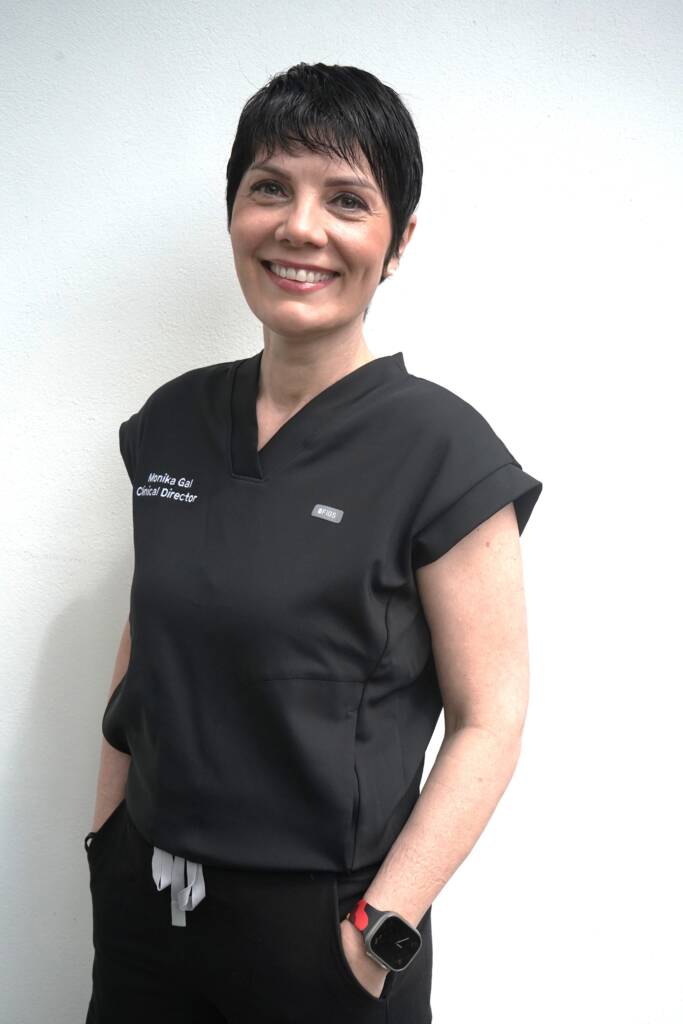
While we were unable to answer every question during the event itself, Monika has provided detailed responses to the most frequently asked questions.

The information below is intended for educational purposes and should not replace advice from your GP or healthcare professional where appropriate.

Hormones & Menopause

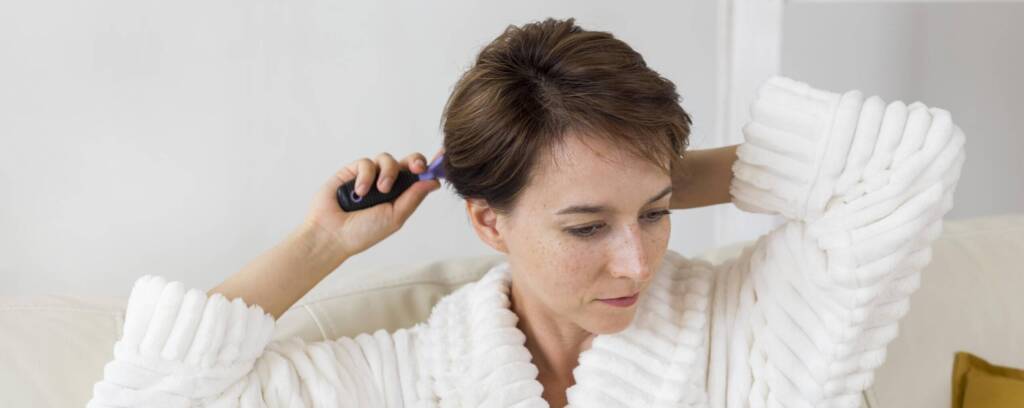
Hair Health

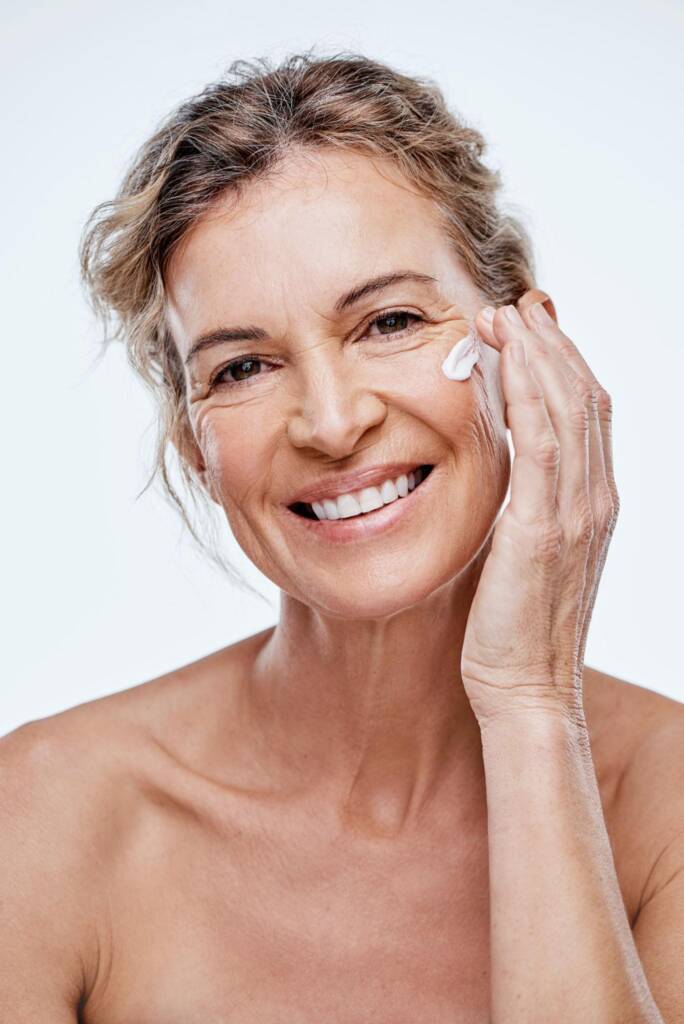
Skin Health

Intimate Wellness

Hormones & Menopause

How do hormones affect my skin, hair, weight and wellbeing?

Hormones play a significant role in many aspects of a woman’s health

Hormones play a significant role in many aspects of a woman’s health and can influence everything from how our skin looks and feels to our energy levels, weight, mood and hair growth.

Throughout our lives, hormone levels naturally fluctuate during puberty, pregnancy, perimenopause and menopause. These changes can sometimes lead to symptoms that may feel frustrating or difficult to understand.

In the skin, declining oestrogen levels can contribute to dryness, reduced elasticity, thinning skin and the development of fine lines and wrinkles. Some women may also experience increased sensitivity, redness or conditions such as rosacea becoming more noticeable.

Hair can also be affected by hormonal changes. Some women notice thinning hair on the scalp, while others experience unwanted hair growth on the face, chin or upper lip. This is particularly common during perimenopause and menopause when the balance between oestrogen and androgens changes.

Weight management may also become more challenging. Hormonal changes can affect where the body stores fat, appetite regulation, sleep quality and muscle mass. However, weight gain is rarely caused by hormones alone. Factors such as stress, diet, activity levels, sleep and overall health can all play a role.

Hormones can also influence our emotional wellbeing. Many women notice changes in mood, confidence, sleep patterns, concentration and energy levels during times of hormonal transition.

The good news is that there are many ways to support your body during these changes. Regular exercise, particularly strength training, a balanced diet rich in protein and fibre, good quality sleep and stress management can all have a positive impact. If symptoms are affecting your quality of life, it is also worth speaking with your GP or a menopause specialist who can assess whether further support may be appropriate.

At Facial & Body Sculpting, we often support women who are experiencing some of the visible effects of hormonal changes, such as skin ageing, hair thinning, unwanted facial hair, intimate wellness concerns and changes in body confidence. While treatments cannot alter hormone levels themselves, they can help address some of the symptoms and concerns that may arise as a result of hormonal fluctuations.

Most importantly, remember that these changes are common, and you do not have to navigate them alone.

Why am I finding it harder to lose weight?

Many women notice that maintaining or losing weight becomes more challenging

Many women notice that maintaining or losing weight becomes more challenging as they get older, particularly during perimenopause and menopause. If this is something you are experiencing, you are certainly not alone.
While hormones can play a role, weight gain is usually influenced by a combination of factors rather than a single cause. As we age, our metabolism naturally slows, we gradually lose muscle mass, and our bodies become more efficient at storing energy. Hormonal changes can also affect where fat is stored, often leading to increased weight around the abdomen.

In addition, many women find that life becomes increasingly demanding. Stress, poor sleep, busy schedules and reduced time for exercise can all contribute to weight gain and make weight loss more difficult.

Sleep is often overlooked, but it plays a vital role in appetite regulation, energy levels and overall health. Poor sleep can increase cravings for sugary and high-calorie foods while making it harder to stay active and motivated.

Nutrition is equally important. Many women benefit from increasing their protein intake, as protein helps maintain muscle mass, supports metabolism and promotes feelings of fullness. Strength training can also be extremely beneficial, helping to preserve and build muscle, which in turn supports a healthy metabolism.

If weight gain is sudden, significant or accompanied by symptoms such as fatigue, hair loss, irregular periods or changes in mood, it may be worth speaking with your GP. Conditions such as thyroid disorders, insulin resistance, PCOS and other hormonal imbalances can sometimes contribute to difficulties with weight management.

At Facial & Body Sculpting, we often meet women who feel frustrated because the strategies that worked for them in their twenties and thirties no longer seem as effective. While no treatment can replace a healthy lifestyle, some treatments may help support body confidence and complement a balanced approach to nutrition and exercise.

Most importantly, try not to be discouraged. Weight management during midlife can require a different approach than it did in earlier years. Focusing on overall health, strength, nutrition, sleep and wellbeing often leads to more sustainable results than simply concentrating on the number on the scales.

Related Treatments

What treatments are suitable during perimenopause and menopause?

The most suitable treatment will always depend on your individual symptoms,

Perimenopause and menopause can bring a variety of changes that affect women both physically and emotionally. While every woman’s experience is unique, common concerns include changes to the skin, hair thinning, unwanted facial hair, weight gain, vaginal dryness, bladder weakness, reduced confidence and changes in overall wellbeing.

The most suitable treatment will always depend on your individual symptoms, concerns and overall health. There is no single treatment that is right for every woman, which is why a personalised approach is so important.

For many women, the first step may be lifestyle-based support. Regular exercise, particularly strength training, a balanced diet rich in protein, quality sleep and stress management can all help support health and wellbeing during this stage of life.

Some women may also benefit from speaking with their GP, menopause specialist or other healthcare professional. They can provide guidance on hormonal changes, discuss treatment options and help identify any underlying health concerns that may be contributing to symptoms.

From an aesthetic and wellness perspective, there are a range of treatments that may help address some of the visible and physical effects of menopause.

For skin concerns such as dryness, loss of elasticity, fine lines and changes in skin texture, professional skincare treatments and medical-grade skincare can help support skin health and rejuvenation.

For unwanted facial hair, laser hair removal can provide a long-term reduction in hair growth and help women feel more confident.

For hair thinning, hair restoration treatments may help support scalp health and encourage healthier hair growth.

For concerns relating to intimate wellness, including vaginal dryness, reduced sensation, mild urinary incontinence and changes following childbirth or menopause, non-surgical vaginal rejuvenation treatments may help improve comfort, tissue quality and confidence.

Some women may also choose body contouring treatments to support their body confidence alongside a healthy lifestyle, although these should never be viewed as a substitute for good nutrition and regular exercise.

The most important thing to remember is that menopause is a natural stage of life, not something that simply has to be endured. There are many ways to support your health, confidence and wellbeing during this transition, and the right combination of lifestyle changes, medical support and appropriate treatments can make a significant difference.

Hair Health

Is hair thinning normal and what can I do about It?

Hair thinning is incredibly common…

Hair thinning is incredibly common, particularly for women during perimenopause and menopause, but it can occur at any stage of life.

Many women notice that their hair feels finer, has less volume, sheds more than it used to, or that their parting appears wider. While this can be upsetting, it is important to know that you are not alone.

There are many possible reasons for hair thinning. Hormonal changes are one of the most common causes, particularly as oestrogen levels decline. However, hair thinning can also be linked to stress, illness, genetics, nutritional deficiencies, certain medications, thyroid conditions and significant life events such as pregnancy.

The first step is understanding the cause. If hair thinning is sudden, severe, or accompanied by other symptoms, it is advisable to speak with your GP. Blood tests may be recommended to check for issues such as iron deficiency, low vitamin levels, thyroid dysfunction or other underlying health concerns.

Supporting hair health from within is equally important. A balanced diet that includes adequate protein, iron, healthy fats and essential vitamins can help support healthy hair growth. Many women unknowingly consume less protein than their body requires, particularly during busy periods of life, and this can impact hair health over time.

Managing stress, improving sleep quality and maintaining overall wellbeing can also play an important role, as chronic stress can affect the normal hair growth cycle.

At Facial & Body Sculpting, we understand that hair thinning can affect confidence and self-esteem. We offer hair restoration treatments designed to support scalp health, stimulate hair follicles and encourage healthier, stronger hair growth. These treatments can be particularly beneficial for women experiencing age-related or hormone-related hair thinning.

As with many aspects of women’s health, there is rarely a single cause or a single solution. A personalised approach that considers overall health, lifestyle and appropriate treatment options often achieves the best results.

Most importantly, hair thinning is common, and support is available. If you are concerned about changes in your hair, seeking advice early may help identify the cause and the most appropriate course of action.

Related Treatments

Why am I experiencing unwanted facial hair?

Many women are surprised to notice unwanted facial hair appearing later in life…

Many women are surprised to notice unwanted facial hair appearing later in life, particularly around the chin, jawline, upper lip or neck. While it can feel frustrating or even embarrassing, it is actually a very common experience.

One of the most common reasons for increased facial hair growth is hormonal change. During perimenopause and menopause, oestrogen levels naturally decline, which can alter the balance between female hormones and androgens (often referred to as male hormones). Even when androgen levels remain the same, the reduction in oestrogen can make facial hair growth more noticeable.

Some women may also experience increased facial hair due to conditions such as Polycystic Ovary Syndrome (PCOS), certain medications, genetics, or other hormonal imbalances. If facial hair growth is sudden, excessive, or accompanied by symptoms such as irregular periods, significant hair loss from the scalp, acne or changes in weight, it is advisable to speak with your GP for further assessment.

While unwanted facial hair is common, there are ways to manage it. Temporary methods such as plucking, waxing, threading and shaving can be effective, although they often require ongoing maintenance.

For women looking for a longer-term solution, laser hair removal can significantly reduce unwanted hair growth. Laser treatments target the hair follicle, helping to slow regrowth and, in many cases, achieve a long-lasting reduction in hair density and thickness. Results vary depending on factors such as hair colour, skin type and any underlying hormonal influences.

It’s important to remember that hormonal hair growth may require ongoing management, particularly if the underlying hormonal changes continue. This is why a personalised approach is often the most effective.

Most importantly, experiencing unwanted facial hair does not mean that anything is “wrong.” It is a common part of hormonal change for many women, and there are both medical and aesthetic options available to help you manage it in a way that feels right for you.

Related Treatments

Skin Health

What can I do about saggy, crepey skin?

Changes in skin texture, firmness and elasticity are a normal

Firstly, it’s important to know that changes in skin texture, firmness and elasticity are a normal part of ageing. Many women notice that their skin becomes thinner, less supple and more “crepey” over time, particularly around the eyes, neck, décolletage, arms, knees and abdomen.

One of the main reasons for this is the gradual decline in collagen and elastin production. These are the proteins responsible for keeping our skin firm, smooth and resilient. Hormonal changes, particularly during perimenopause and menopause, can accelerate this process, as declining oestrogen levels can have a significant impact on skin quality and thickness.

While we cannot completely stop the ageing process, there are many ways to support the skin and improve its appearance.

Looking after your skin from within is an important starting point. A balanced diet rich in protein, vitamins and healthy fats can help provide the nutrients needed for healthy skin. Staying active, managing stress, getting adequate sleep and avoiding smoking can also have a positive impact on skin health.

A consistent skincare routine is equally important. Daily sun protection and the use of active ingredients such as retinoids, antioxidants and peptides can help protect and support the skin over time.

For women who are concerned about more significant skin laxity or crepey texture, professional treatments may offer additional benefits by stimulating collagen production and encouraging skin renewal.

At Facial & Body Sculpting, some of the treatments we commonly use for skin rejuvenation include:

• Microneedling – Helps stimulate collagen production and improve skin texture and firmness.

• Radiofrequency Microneedling – Combines microneedling with radiofrequency energy to target deeper layers of the skin, helping to tighten and strengthen the skin over time.

• CO2 Laser Resurfacing – An advanced skin rejuvenation treatment that can help improve skin texture, fine lines, sun damage and crepey skin by stimulating significant collagen remodelling.

• Medical-Grade Skincare – Professional skincare products can play an important role in maintaining skin health and supporting the results of in-clinic treatments.

The best treatment will depend on factors such as your age, skin quality, lifestyle and the severity of the concern. In many cases, the most successful outcomes come from combining professional treatments with good skincare, healthy nutrition and consistent self-care.

It is also important to have realistic expectations. While no treatment can completely reverse the ageing process, many women achieve significant improvements in skin quality, firmness and confidence when the right approach is tailored to their individual needs.

The good news is that crepey skin is not simply something you have to accept. There are more options available today than ever before, and a personalised consultation can help determine which approach may be most suitable for you.

What can be done about rosacea, redness or visible broken capillaries?

Rosacea, facial redness and visible broken capillaries are common concerns…

Rosacea, facial redness and visible broken capillaries are common concerns that affect many women and can often become more noticeable with age, hormonal changes, sun exposure and certain lifestyle factors.

Rosacea is a chronic inflammatory skin condition that can cause persistent redness, flushing, sensitivity, visible blood vessels and, in some cases, spots or bumps that can resemble acne. While there is currently no cure for rosacea, there are many ways to manage the condition and improve the appearance and comfort of the skin.

One of the most important steps is identifying and avoiding personal triggers. Common triggers can include sun exposure, alcohol, spicy foods, stress, extreme temperatures and certain skincare products. Keeping a diary of flare-ups can sometimes help identify patterns.

A gentle skincare routine is essential. Harsh scrubs, aggressive exfoliation and heavily fragranced products can often make symptoms worse. Using products designed for sensitive, redness-prone skin can help strengthen the skin barrier and reduce irritation.

For some individuals, it may also be worth consulting a GP or dermatologist, particularly if symptoms are severe, worsening or causing discomfort. Prescription treatments may sometimes be recommended to help manage inflammation and flare-ups.

Professional treatments can also play an important role in managing redness and improving skin health.

At Facial & Body Sculpting, we often recommend a combination approach depending on the individual’s skin and concerns.

Some of the options that may help include:

• Medical-Grade Skincare – Professional skincare products can help calm inflammation, strengthen the skin barrier and improve overall skin health.

• Professional Skin Treatments and Facials – Treatments specifically designed for sensitive and rosacea-prone skin can help soothe irritation, improve hydration and support healthier skin function.

• LED Red Light Therapy – Red light therapy can help reduce inflammation, support healing and calm reactive skin, making it a valuable addition to a rosacea management plan.

• Thread Vein Removal – For visible broken capillaries and facial thread veins, advanced vascular treatments can target and reduce the appearance of these vessels, helping to create a clearer and more even complexion.

It is important to understand that rosacea management is usually a journey rather than a one-off treatment. The best results are often achieved through a combination of appropriate skincare, lifestyle modifications and professional treatments tailored to the individual.

The encouraging news is that redness, rosacea and broken capillaries can often be significantly improved. While every skin is different, a personalised treatment plan can help reduce symptoms, improve skin confidence and support long-term skin health.

Can seborrhoeic keratoses be removed?

Yes, in many cases seborrhoeic keratoses can be successfully removed.

Yes, in many cases seborrhoeic keratoses can be successfully removed.

Seborrhoeic keratoses are very common, harmless skin growths that often appear as we get older. They can vary in colour from light tan to dark brown or black and may look waxy, raised or as though they are “stuck on” to the skin. They can occur anywhere on the body but are particularly common on the face, chest, back and shoulders.

Although they are benign and do not usually pose a health risk, many people choose to have them removed because they can become irritated, catch on clothing or jewellery, or simply because they do not like their appearance.

Before any removal is considered, it is important that the lesion is assessed to ensure it is suitable for treatment. If there is any doubt about a lesion, or if it has recently changed in size, shape, colour or appearance, we may recommend that you seek advice from your GP or a dermatologist before proceeding.

At Facial & Body Sculpting, we are able to assess many benign skin lesions, including seborrhoeic keratoses, and discuss the most appropriate removal options. The treatment used will depend on factors such as the size, location and appearance of the lesion.

Most treatments are relatively quick, minimally invasive and require little downtime, although healing times can vary depending on the area treated and the size of the lesion.

Following treatment, it is important to follow the recommended aftercare advice to support healing and achieve the best possible cosmetic outcome.

If you are unsure whether a skin lesion is a seborrhoeic keratosis, or if you have noticed any changes to an existing lesion, we would always recommend having it assessed by a suitably qualified professional.

While seborrhoeic keratoses are usually harmless, many people find that having them removed improves both comfort and confidence, particularly when they are located on visible areas such as the face, neck or chest.

Related Treatments

Intimate Wellness

How can I improve my skin, hair and intimate health from the inside out?

There is rarely a single product or treatment that provides all the answers.

When it comes to skin, hair and intimate health, there is rarely a single product or treatment that provides all the answers. These areas are often a reflection of our overall health and wellbeing, which is why looking after ourselves from the inside out is so important.

One of the most important foundations is nutrition. Our skin, hair and tissues require a variety of nutrients to function at their best. A balanced diet rich in protein, healthy fats, colourful fruits and vegetables, vitamins and minerals can help support healthy skin, strong hair and overall tissue health. Protein is particularly important, as it provides the building blocks needed for collagen production, hair growth and muscle maintenance.

Hydration also plays a vital role. Drinking enough water can help support healthy skin function and overall wellbeing, although hydration alone is not usually enough to address concerns such as skin ageing or hair thinning.

Sleep is another often overlooked factor. During sleep, the body carries out many of its repair and regeneration processes. Poor sleep can contribute to dull skin, increased stress levels, fatigue and may impact overall health and wellbeing.

Hormonal balance can also have a significant influence. Changes during perimenopause and menopause can affect skin hydration, elasticity, hair density and intimate health. If symptoms are affecting your quality of life, it may be worth discussing them with your GP or a healthcare professional who specialises in women’s health.

Regular exercise can also support circulation, muscle strength, energy levels and overall wellbeing. Strength training, in particular, can be beneficial as we age, helping to support metabolism, bone health and muscle mass.

While lifestyle factors provide the foundation, professional treatments can sometimes offer additional support. Advanced skincare treatments and medical-grade skincare can help address concerns such as skin texture, pigmentation, rosacea and signs of ageing. Hair restoration treatments may help support women experiencing hair thinning, while intimate wellness treatments can help address concerns such as vaginal dryness, reduced tissue quality and mild urinary incontinence.

However, the most effective results are often achieved when professional treatments are combined with good nutrition, healthy lifestyle habits and an understanding of what is happening within the body.

Ultimately, true wellness is about more than how we look. It is about feeling healthy, confident and comfortable in our own skin at every stage of life. Small, consistent changes can often make a bigger difference than any quick fix, and investing in your overall wellbeing is one of the most powerful things you can do for your skin, hair and intimate health.

What help is available for bladder leaks, incontinence and prolapse?

Bladder leaks, urinary incontinence and pelvic floor weakness are incredibly common…

Bladder leaks, urinary incontinence and pelvic floor weakness are incredibly common, particularly following childbirth, during perimenopause and menopause, and as we age. Despite how common these concerns are, many women suffer in silence, often believing that bladder leaks are simply something they have to live with.

The good news is that help is available, and in many cases symptoms can be improved significantly.

The first step is understanding the cause. Bladder leaks can occur for a variety of reasons, including weakened pelvic floor muscles, hormonal changes, pregnancy and childbirth, chronic coughing, obesity, certain medical conditions and the natural ageing process.

For many women, pelvic floor exercises can be beneficial. Regularly strengthening the pelvic floor muscles may help improve bladder control and reduce leakage over time. However, many women are unsure whether they are performing these exercises correctly or may struggle to achieve the desired results through exercises alone.

For more significant symptoms, it is important to seek professional advice. Your GP or a women’s health specialist can assess your symptoms and identify whether there are any underlying conditions contributing to the problem.

At Facial & Body Sculpting, we offer non-surgical treatments designed specifically to support pelvic floor strength, bladder control and intimate wellness. These treatments work in different ways to help strengthen the pelvic floor muscles, improve tissue quality, enhance circulation and stimulate collagen production within the vaginal tissues.

Many women seek treatment for concerns such as:

• Leaking when coughing, sneezing or exercising
• Frequent urges to urinate
• Reduced pelvic floor strength following childbirth
• Vaginal laxity
• Vaginal dryness and discomfort associated with menopause
• Reduced confidence in everyday activities

For women with mild to moderate symptoms, these treatments can often provide a valuable alternative to more invasive procedures, with little or no downtime.

When it comes to prolapse, the most appropriate treatment depends on the severity of the condition. Mild symptoms may benefit from pelvic floor strengthening and supportive treatments, while more advanced prolapse may require assessment by a specialist. This is why a consultation is always important to determine the most suitable approach.

Most importantly, bladder leaks and pelvic floor concerns should not be viewed as an inevitable part of ageing. There are now more treatment options available than ever before, and many women are surprised by how much improvement can be achieved with the right support and guidance.

Related Treatments

When Should You Seek Professional Advice?

While many of the concerns discussed above are common, some symptoms should always be assessed by a healthcare professional.

Speak to your GP if you experience:

  • Sudden or severe hair loss
  • Unexplained weight changes
  • Abnormal bleeding
  • New or changing skin lesions
  • Severe pelvic symptoms
  • Persistent pain

A proper assessment can help identify any underlying causes and ensure you receive the most appropriate care.

How We Can Help

At Facial & Body Sculpting, we support women through every stage of life.

Whether your concerns relate to skin health, hair thinning, unwanted hair, intimate wellness, body confidence or healthy ageing, our team can provide personalised advice and treatment recommendations tailored to your individual needs.

Leave a comment